Gentle Care That Lasts: Safe Ways to Protect Wood, Leather, and Textiles

Today we focus on non-toxic cleaning and preservation methods for wood, leather, and textiles, blending practical science with approachable routines. Expect recipes, storage wisdom, and mindful techniques that respect surfaces, indoor air, and your time, while inviting shared stories, questions, and confident, healthier habits across your home.

What Non-Toxic Really Means at Home

For household care, non-toxic should mean low acute hazard, minimal chronic exposure, and clear ventilation guidance, not simply natural sounding labels. Third-party certifications, full ingredient lists, and fragrance transparency matter. Always privilege rinsability, low VOCs, and precise dosing over vague claims, especially around cribs, food prep zones, and craft spaces.

The Power of pH, Time, and Gentle Agitation

Most soils release when pH, contact time, and gentle mechanical action are balanced. Neutral or slightly alkaline solutions lift oily residues on wood and textiles, while lightly acidic rinses manage mineral haze. Microfiber boosts removal without force, letting you protect leather finishes, stitched seams, and delicate coatings from preventable abrasion.

Patch Testing Like a Pro for Peace of Mind

Before any full application, test in an inconspicuous area, documenting droplet size, dwell time, and wiping pressure. Observe darkening, dye transfer, or finish softening only under good light. A short notebook or phone log prevents repeated mistakes, guiding safer ratios for wood oils, leather conditioners, and textile pretreatments.

Nurturing Wood Surfaces Without Harsh Chemicals

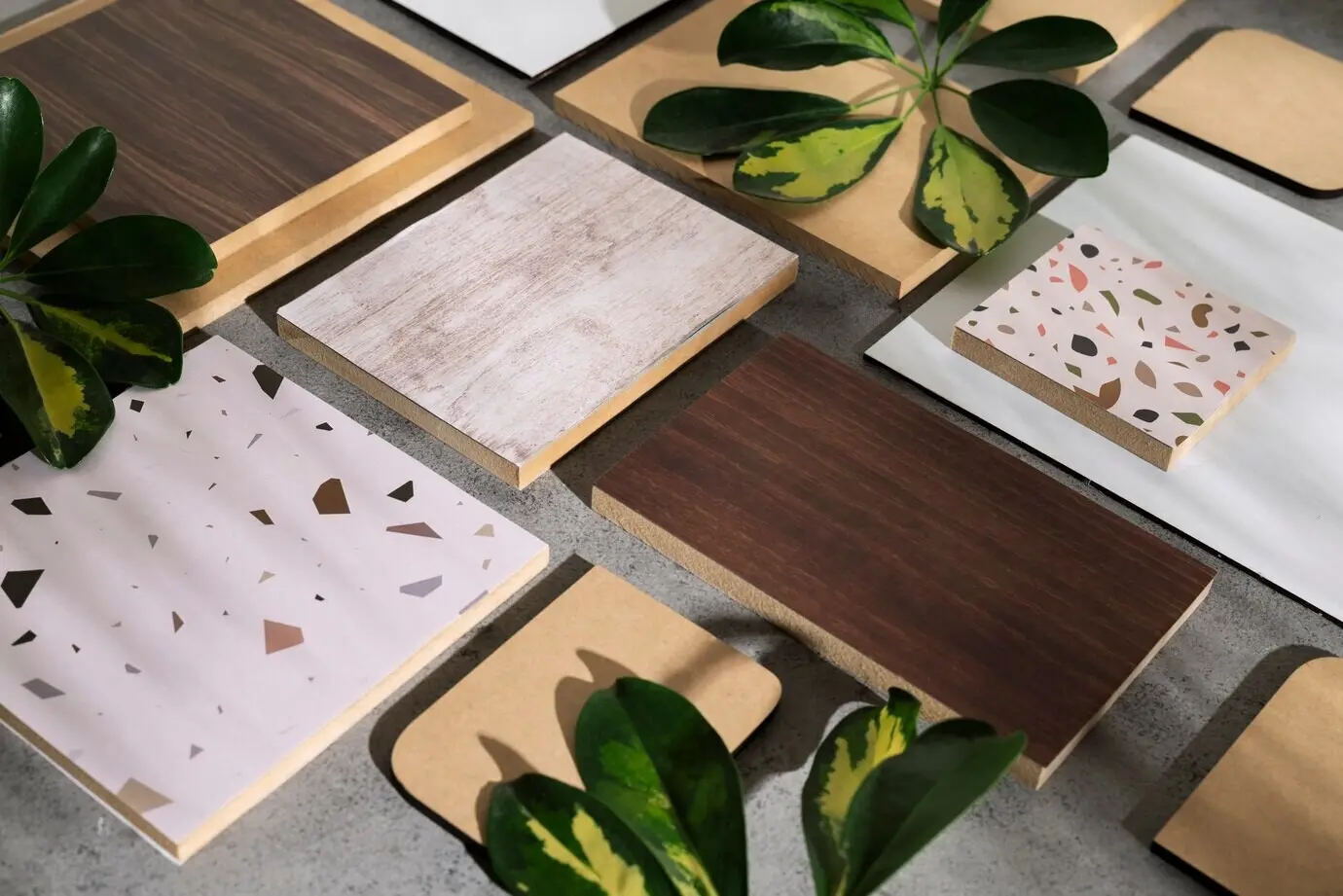
Wood thrives when moisture is limited, pH stays near neutral, and protection replenishes gently. Dust frequently with microfiber, wash with very dilute castile soap when needed, and finish with a thin beeswax and oil blend. Respect grain direction, avoid standing water, and monitor humidity to prevent cracks and cupping.

Leather Care with Kindness and Know-How

Leather responds best to minimal moisture, balanced conditioning, and respectful drying. Vacuum with a soft brush to remove grit, wipe with slightly damp cloths, and treat sparingly with lanolin-rich conditioners. Avoid silicone shine, strong detergents, and heat blasts that stiffen fibers, promoting graceful aging and resilient everyday comfort.

Textile Freshness from Delicates to Upholstery

Fabric fibers vary widely, yet gentle rules apply. Cool water, measured detergent, and oxygen-based brighteners tackle soils without fumes. Pre-treat stains according to type, then rinse thoroughly to preserve hand and drape. For upholstery, vacuum monthly, rotate cushions, and spot clean carefully, preventing rings and color migration during drying.

Natural Deodorizing and Mold Prevention Strategies

Odors and mold flourish where moisture lingers and ventilation fails. Deodorize with baking soda, charcoal, and fresh outdoor air before masking scents. Control humidity with exhaust fans and desiccants, clean filters, and address leaks promptly. Thoughtful routines protect closets, drawers, and storage trunks, especially during rainy seasons and busy households.

Sustainable Tools, DIY Recipes, and Routine Planning

A compact kit empowers consistent care without clutter. Keep castile soap, oxygen bleach, distilled water, microfiber cloths, soft brushes, beeswax polish, and a gentle leather conditioner. Add labels with dilution ratios and a calendar reminder system. Share discoveries, ask questions, and celebrate wins with before and after moments.
Lozexolufaki
Privacy Overview

This website uses cookies so that we can provide you with the best user experience possible. Cookie information is stored in your browser and performs functions such as recognising you when you return to our website and helping our team to understand which sections of the website you find most interesting and useful.