Make Rooms You’ll Love With Secondhand Soul

Today we dive into curating secondhand and upcycled decor for cohesive, sustainable rooms, transforming overlooked pieces into a living space that feels intentional, personal, and kind to the planet. Expect practical strategies, creative prompts, and heartening stories that prove style and responsibility walk beautifully together. Bring curiosity, a tape measure, and a willingness to experiment; we will connect history, craft, and your everyday routines into one harmonious, enduring home.

Color Stories That Connect Eras

Pick a primary hue and two supportive tones that link pieces from different decades without forcing uniformity. Muted greens can unite industrial metal shelving, farmhouse ceramics, and mid-century upholstery, while warm woods act as a bridge. Swatch test under daylight and lamplight, observe how shadows shift saturation, and trust the palette that complements your daily rituals, not just the prettiest photograph in your camera roll.

Materials And Patina In Harmony

Combine textures that tell compatible stories: oiled walnut beside stoneware, honed brass with linen, powder-coated steel near nubby wool. The goal is layered tactility, not a museum display. Embrace scratches and sun-fading as narrative threads rather than flaws to erase. A simple rule helps: if surfaces invite touch and ages sit comfortably together at the table, your room’s conversation will feel welcoming and complete.

Let One Focal Piece Lead The Way

Choose a hero object with presence—maybe a sculptural chair, oversized mirror, or dramatic vintage rug—and allow it to establish scale and proportion for everything else. When you anchor height, shape, and tone around this piece, even eclectic companions fall naturally into line. Resist adding rivals; instead, layer supportive accents that echo curves, motifs, or textures, building harmony through attentive repetition rather than identical matches.

Find Your Aesthetic Anchor

Cohesion begins with a clear point of view that guides every decision, from paint to hardware. Start by identifying a mood you want to feel each morning and evening, then translate that emotion into color families, scale preferences, and repeating shapes. This becomes your steady compass when a flea-market treasure tempts you, ensuring each addition supports a calming rhythm rather than creating noisy competition for attention.

Where To Hunt Without Losing Time

Create a rotation of reliable locations and specific days when fresh stock arrives. Estate sales often reveal quality basics; campus move-out weeks overflow with workable pieces; neighborhood swaps offer stories as valuable as the items. Approach shop owners with curiosity and kindness, ask about back rooms, and leave a wish list. Consistency builds trust, and trust unlocks the sleeper finds before they hit the floor.

Assessing Bones, Not Just Surface

Examine structural integrity first: look under chairs for corner blocks, test wobble by shifting body weight, and check veneer edges for lifting. Drawers should glide without grinding, and cabinet doors should hang square. Minor finishes can be updated, but warped frames or deep water damage demand caution. Prioritize sturdy frames and replace tired textiles later; strong bones mean your efforts create something lasting and safe.

Upcycle With Care And Character

Respect for craftsmanship and materials sits at the heart of upcycling. Work with the grain, not against it; keep original marks that tell the truth; and choose finishes that protect without suffocating. When reimagining, prioritize reversible changes so future caretakers can adapt again. The best transformations conserve embodied energy, extend usefulness, and elevate beauty, proving sustainability is not a trend but good stewardship across generations.

Style For Flow And Balance

A cohesive room guides the eye gracefully from one moment to the next. Create rhythm through repeated silhouettes and material echoes, then break predictability with one witty surprise. Use negative space like punctuation, letting each object breathe. Vary heights in gentle steps, position anchors at visual hinges, and harness lighting to knit textures together. When pathways feel intuitive, your room supports both calm mornings and lively gatherings.

Layering Heights And Visual Weight

Compose vignettes that climb: low stack of books, mid-height vessel, taller branch arrangement. Balance heavy forms with airy companions—slatted chairs beside solid chests, glass near stone, linen against leather. Step back, squint, and note where the eye stalls. Remove one item, then reintroduce selectively until the scene breathes. Editing is an act of kindness, allowing each rescued piece to contribute without shouting.

Light That Unifies Mixed Materials

Layer ambient, task, and accent lighting to reveal surfaces thoughtfully. Warm bulbs flatter aged wood and brass, while cooler temperatures highlight chromed or painted metal. Bounce light off ceilings, add dimmers, and refresh vintage shades with safer fire-retardant liners. Place lamps where your hand naturally reaches at dusk. When materials glow instead of compete, their stories merge into one inviting, gently luminous conversation each evening.

Measure Impact, Budget Wisely, Maintain Well

Sustainable rooms are practical as well as poetic. Track spending, estimate embodied carbon you avoid by buying used, and plan maintenance so longevity is baked in. A simple spreadsheet or notes app can reveal patterns: which shops merit extra visits, which repairs deliver best returns, and where to pause. Small routines—oiling wood, tightening screws, airing fabrics—quietly protect both your wallet and the environment for years.

Estimating Footprint Reductions

Compare a rescued item’s impact to a comparable new purchase by considering materials, manufacturing, and shipping. While precise numbers vary, the direction is clear: reuse conserves resources and extends lifecycles. Keep a running tally to celebrate progress. These reminders boost motivation on days when sanding feels endless, and they help persuade skeptical friends that beauty can also be stewardship, measured one thoughtful choice at a time.

A Budget You Can Actually Follow

Adopt a simple split: allocate the largest portion to foundational pieces, reserve a smaller slice for repairs, and keep a flexible buffer for irresistible one-offs. Track every receipt. If you splurge on reupholstery, balance with low-cost lighting tweaks. Create monthly limits for marketplace scrolling to prevent late-night impulse buys. Intended constraints don’t restrict creativity; they focus it, ensuring progress continues without financial stress or regret.

Real-Home Wins And Lessons

{{SECTION_SUBTITLE}}

The Dented Trunk Turned Coffee Table
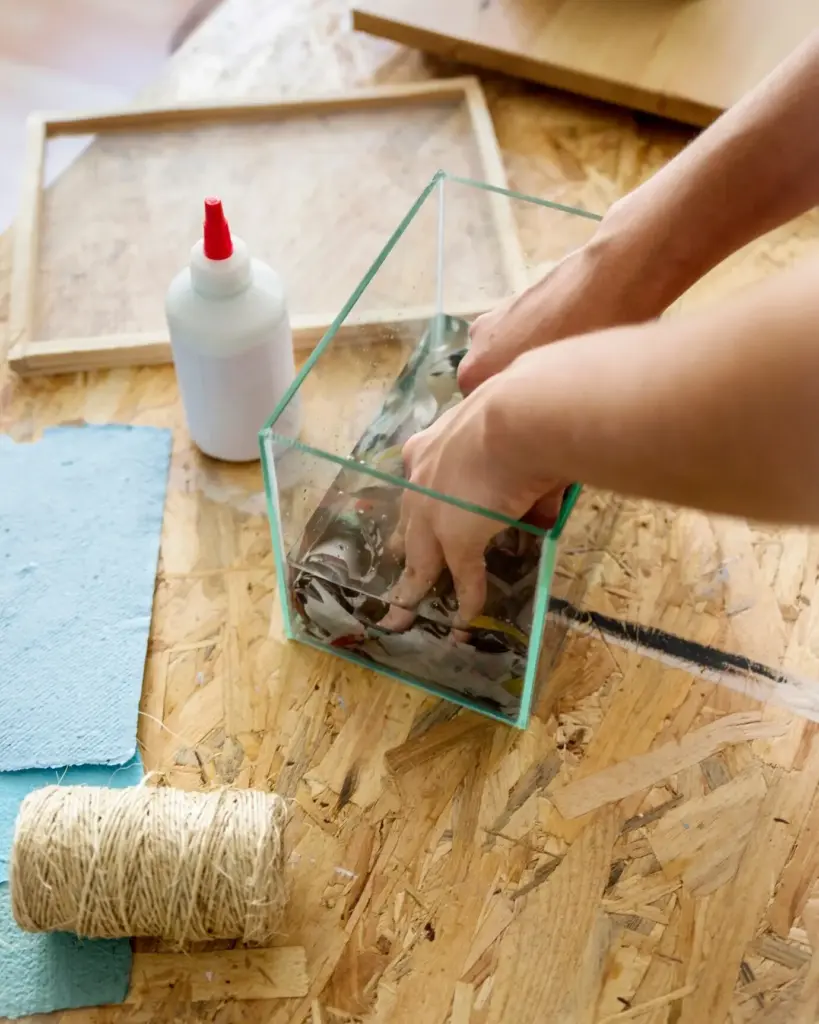
Found for almost nothing at a rainy yard sale, a battered travel trunk gained new life with gentle cleaning, internal cedar planks, and casters discreetly mounted beneath. The dents remained, gleaming softly after wax, sparking conversations about journeys it once took. A tempered glass top protected maps inside, turning family game night into a mindful ritual where utility, memory, and sustainability meet at the center of the room.

An Apartment Refresh With Eighty Percent Secondhand
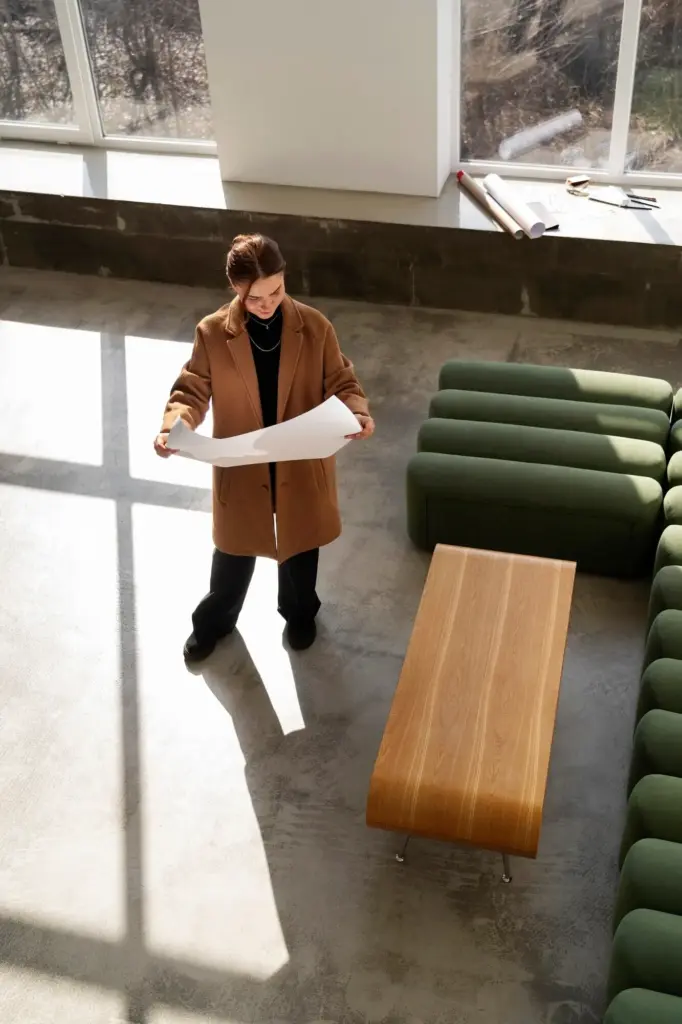
Working within tight square footage, one renter layered an antique pedestal table with stackable stools, a re-lamped pharmacy light, and a narrow dresser repurposed as an entry console. Matching drawer pulls and a clay-toned rug stitched everything together. Repairs were scheduled over weekends, costs tracked carefully, and neighbors traded pieces through a hallway message board. The result felt intentional, adaptable, and remarkably serene, despite constant city bustle outside.

Show Us Your Favorite Rescue

Upload before-and-after snapshots and a sentence about the moment you realized the piece still had life. Include any mistakes and how you solved them, from splotchy stain to wobbly joints. Transparent stories teach better than perfection. We will highlight reader projects in future features, credit your process generously, and celebrate the quiet thrill of giving something durable a second, more meaningful chapter at home.

Ask A Weekly Sourcing Question

Stuck on where to find narrow shelving, matching lamp pairs, or ethically reclaimed flooring? Drop your specifics, including dimensions and city, and the community will chime in with leads. We maintain a living directory of stores, salvage yards, and donation centers. Your question might unlock someone else’s solution, too, creating a shared map that keeps beautiful objects circulating and keeps our landfill contributions moving steadily downward.

Join The Circular Design Challenge

Each month, pick one neglected item and elevate it with a small, skill-building intervention: rewire, reupholster, reglue, or redesign. Share costs, time invested, and what you would change next round. By stacking modest improvements, your home evolves gently yet decisively. We will publish highlights and tips, encourage cross-city collaborations, and invite beginners to learn alongside seasoned tinkerers in a spirit of curiosity and generosity.

Lozexolufaki
Privacy Overview

This website uses cookies so that we can provide you with the best user experience possible. Cookie information is stored in your browser and performs functions such as recognising you when you return to our website and helping our team to understand which sections of the website you find most interesting and useful.