Loved Longer: Interiors That Grow More Beautiful With Time
Today we explore Designing for Emotional Durability: Interiors That Age Gracefully and Reduce Waste, turning everyday rooms into lifelong companions. Expect practical frameworks, material guidance, and human stories showing how affection, adaptability, and repairability keep furnishings cherished, minimize churn, and transform wear into proud memory rather than trash. Together, we will reframe longevity as a creative practice that saves money, reduces carbon, and nurtures meaning through thoughtfully chosen materials, quiet aesthetics, and rituals of care that make living spaces feel increasingly personal and alive.
Why Attachment Outlasts Trends
Belonging, memory, and self-expression are powerful forces shaping how long we keep things. A chair passed down with a handwritten note, or a shelf hung at a meaningful height, becomes more than a product. The endowment effect, narrative identity, and habit formation all reinforce continued use. Design for personalization, agency, and sensory comfort encourages fondness, which fuels maintenance and care. The result is a virtuous cycle where affection justifies repair, and repair deepens affection again.
The thrill of a new purchase fades quickly, but a lived-in surface that records meals, conversations, and celebrations accumulates narrative value. Designing for narrative means inviting use, accepting marks of life, and creating opportunities for small rituals. Think of a dining table where seasonal flowers rotate, a hook catching favorite coats, or a window seat reserved for rainy-day reading. These repeatable moments build memory, making spaces irreplaceable because they hold stories, not just functions or fashionable looks.
Every avoided replacement means fewer shipments, fewer boxes, and fewer discarded products. Emotional loyalty extends service life, delaying the significant emissions tied to manufacturing and transport. By specifying long-lived materials, repairable joinery, and forgiving finishes, we help interiors survive style cycles and daily wear. Small upgrades—like renewing cushions or refinishing wood—extend satisfaction without starting from scratch. Over years, this loyalty to well-loved pieces slashes resource use while producing rooms that feel grounded, not disposable.
Materials That Weather With Grace
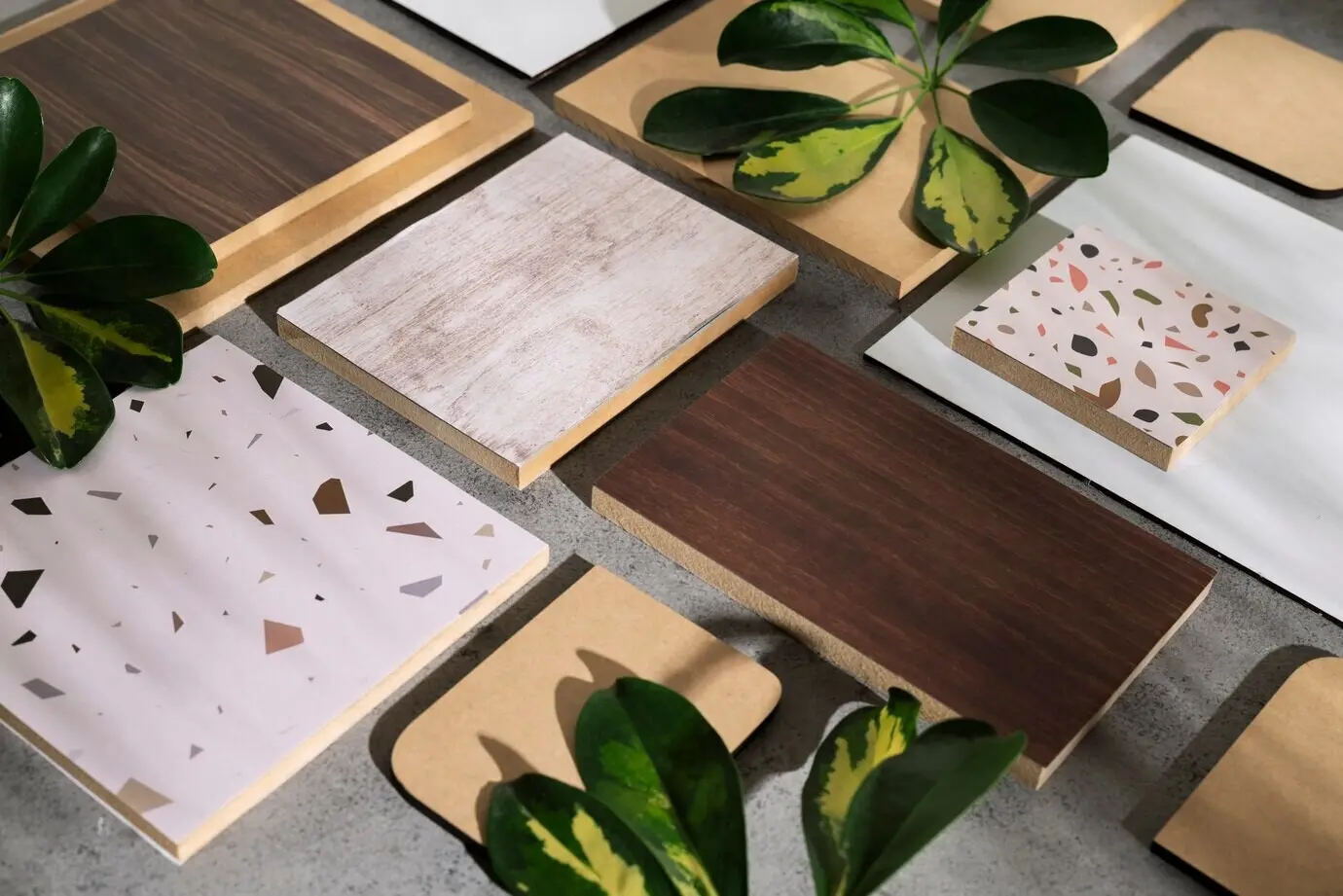
Some materials simply get better with age. Solid wood develops a silky hand, brass deepens in tone, leather softens and tells a quiet story, and stone holds timeless presence. Choosing finishes that can be renewed, not merely hidden, encourages active stewardship instead of replacement. Prioritize nontoxic, breathable treatments, reversible assemblies, and surfaces that invite touch. When flaws become character rather than failure, users lean into maintenance, discover pride in restoration, and keep beloved pieces in circulation for decades instead of seasons.
Natural Finishes and Honest Surfaces
Oil, wax, and soap finishes allow materials to breathe and be refreshed without stripping character. An oiled ash tabletop can be spot-repaired after a family celebration, then nourished back to luster. Avoid heavy plasticized coatings that crack or trap damage beneath a brittle skin. Honest surfaces show their truth, guiding intuitive care. With a simple kit—cloth, mild soap, and a small tin of hardwax—anyone can bring back warmth and depth in an evening, building confidence and affection.
Patina, Not Decay
There is a difference between graceful aging and structural failure. Specify dense hardwoods with repairable joints, full-grain leather rather than bonded substitutes, and hardware in solid brass or stainless steel. Sealant choices should resist stains while remaining maintainable. Detail thresholds, corners, and handles to anticipate wear, adding small sacrificial elements where contact is highest. These decisions prevent premature degradation, letting surfaces earn patina while the underlying structure remains sound, safe, and reassuringly stable as routines evolve and families grow.
Local Sourcing and Circular Value
Locally sourced wood, reclaimed beams, and regionally quarried stone reduce transport emissions and build an authentic sense of place. Offcut tables, remnant textiles, and refurbished fixtures turn potential waste into conversation pieces. When materials carry traceable origins and stories, owners feel connected and commit to long-term care. Design with eventual reuse in mind—standard thicknesses, reversible panels, and separable layers—so future alterations are easy. A circular mindset elevates beauty, provenance, and practicality simultaneously, lowering impact while enriching meaning.
Make Repair the Easiest Choice
If replacing a hinge requires an obscure driver and a prayer, it will not happen. Use common fasteners, label components, and embed QR codes linking to exploded diagrams, part numbers, and step-by-step videos. Include modest repair kits with spare glides and screws. Clear contact channels for parts orders help owners act quickly. By removing friction and fear, you normalize repair as routine care rather than a desperate last resort, extending attachment while avoiding the hidden costs of premature disposal.
Modular Layouts for Changing Lives
Apartment to townhouse, nursery to studio, one table to two desks—the best interiors anticipate change. Choose systems with interchangeable tops, stackable units, and adjustable shelves. Rail-based lighting, clip-on accessories, and movable partitions allow new configurations without demolition. Planning cable management, ventilation, and clearances up front avoids later compromises. When reconfiguration feels like play, people reinvent spaces instead of abandoning them, discovering fresh delight in familiar pieces and preserving dozens of decisions already made with care and conviction.
Open Standards, Simple Tools
Design around widely available fittings, standard board sizes, and common blade kerfs so replacements and modifications remain easy for years. Favor Phillips or hex over proprietary bits, and publish measurements openly. Compatibility with community workshops, makerspaces, and neighborhood repair cafés increases confidence. Even small choices—screw-on pendants, replaceable lamp holders, modular seat pads—multiply future options. Simple tools democratize maintenance, ensuring longevity does not depend on scarce expertise, but on everyday skills any household can learn and refine over time.
Timeless Aesthetics Without Nostalgia
A room can feel fresh yet enduring when proportion, balance, and material honesty lead the composition. Avoid shouty gestures that tire quickly; instead, invest in silhouette, light quality, and tactile richness. Calmer palettes anchor bold accents that can evolve over time. Consider how daylight shifts across the year and how shadows articulate texture. When the eye continues discovering subtle details month after month, appreciation deepens. The result is quiet confidence rather than dated fashion, encouraging stewardship instead of churn.
Rituals That Build Bond
Imagine Saturday morning coffee while softly waxing a beloved oak table, turning maintenance into a quiet meditation. Simple, recurring actions engrain attachment by combining touch, scent, and reflection. Provide checklists tied to seasons, with tiny, rewarding tasks that show immediate results. When families schedule these together, children learn stewardship by example and memories accumulate. Ritual fuels pride, pride sparks continuity, and continuity keeps rooms alive with care, reducing replacement desires because the existing environment already feels deeply personal.
Care Guides People Actually Use
Skip dense manuals. Offer one-page visuals, magnet-backed quick references, and short videos accessed by a QR tag discreetly placed under a shelf or drawer. Suggest common household products and approximate times so tasks fit into real lives. Translate technical terms into friendly language and give troubleshooting trees. Provide a tiny starter kit at handover to remove barriers. When care feels convenient and clear, owners participate willingly, finding joy in renewal and avoiding costly, wasteful cycles of neglect, disappointment, and disposal.
Community, Stories, and Stewardship
Invite readers to share repair wins, patina milestones, and inherited pieces on social channels or in comments, building momentum for thoughtful living. Host swap nights for surplus hardware or fabric. Organize neighborhood oil-and-sharpen gatherings or partner with repair cafés. Subscribe for seasonal checklists, join our Q&A threads, and request material deep dives you want next. Collective knowledge makes maintenance less intimidating, turns small successes into shared pride, and strengthens a caring culture where durability feels inspiring, welcoming, and attainable.
Lifespan, Retention, and Replacement Rates
Create a simple baseline: how many years until a repaint, a refinish, or a component swap? Track retention through periodic check-ins or surveys, and note reasons for changes. Map failure modes so designs evolve intelligently. When a shelf sags or a fabric pills, document the fix and update specifications. By understanding reality instead of guessing, you target improvements that truly extend use, supporting decisions that keep furnishings in service and out of landfills for significantly longer horizons.

Carbon and Cost Over Time
Durability is an environmental strategy and a financial one. Compare a properly sealed timber floor lasting thirty years with a cheap option replaced three times; the carbon and labor saved can be dramatic. Present amortized costs to stakeholders who worry about upfront spending. Include maintenance schedules with realistic time estimates to show feasibility. When owners see lower lifetime expense and measured emissions reductions, they commit with confidence, transforming sustainability from abstract ideal into pragmatic, verifiable, everyday practice.